Overview of Home Improvement Processes
Home improvement behind the scenes – Home improvement projects can transform a house into a dream home, but they are not without their complexities. Understanding the various stages involved in these projects is crucial for any homeowner. From planning to execution, every phase has its own set of challenges and requirements that must be addressed for a successful outcome.
Stages of Home Improvement Projects
Every home improvement project typically follows several key stages:
- Planning: This initial phase involves identifying the goals of the renovation, setting a timeline, and outlining the budget.
- Design: In this stage, homeowners collaborate with designers to create a visual representation of the intended changes, including layout and material selections.
- Execution: This is where the physical work begins, often requiring coordination among various tradespeople such as carpenters, electricians, and plumbers.
- Final Inspection: Once the work is completed, a final inspection ensures that everything meets local codes and the homeowner’s expectations.
Common Tools Used in Home Renovation
A variety of tools are essential for home renovation. Some common tools include:
- Power Drill: Perfect for drilling holes and driving screws.
- Circular Saw: Ideal for cutting wood and other materials.
- Measuring Tape: Essential for accurate measurements to ensure proper fits.
- Level: Used to guarantee surfaces are even and straight.
Importance of Planning and Budgeting
Effective planning and budgeting are paramount to the success of any home improvement project. A well-thought-out plan helps avoid unexpected costs and delays, enabling homeowners to prioritize their needs and manage resources efficiently.
Behind the Scenes of Home Renovation: Home Improvement Behind The Scenes
Understanding the roles and responsibilities of each participant in a renovation project can illuminate the collaborative nature of home improvement. The interplay between contractors, designers, and homeowners is fundamental to achieving a successful outcome.
Roles of Contractors, Designers, and Homeowners
Each party has specific roles in the renovation process:
- Contractors: They are responsible for the actual work and often manage the entire project, coordinating schedules and subcontractors.
- Designers: They develop the aesthetic vision and functional layouts, ensuring that the renovations reflect the homeowner’s style and needs.
- Homeowners: Their input is crucial in decision-making, providing feedback on design choices, materials, and budget considerations.
Coordination Between Different Trades
Successful home renovations require seamless coordination between various trades. This might involve:
- Scheduling work to avoid delays, particularly when multiple trades are involved.
- Ensuring all trades are aware of the overall design and objectives.
- Communicating effectively to resolve any conflicts or changes in plans.
Common Challenges Faced During Renovations
Home renovations can present various challenges, including:
- Unexpected Structural Issues: Discovering problems like mold or plumbing issues can derail timelines and budgets.
- Material Availability: Delays in sourcing materials can push back project completion dates.
- Communication Breakdowns: Misunderstandings between parties can lead to mistakes that are costly to rectify.
Design and Aesthetics
Aesthetic considerations are vital in home renovations, influencing not just the look but also the feel of a space. Selecting the right colors and materials can enhance the overall ambiance of a home.
Selecting Color Schemes and Materials
Choosing the right color schemes and materials can make or break a renovation. Tips for selection include:
- Consider the existing architecture and surroundings.
- Opt for colors that evoke the desired mood—warm tones create coziness, while cool tones can offer tranquility.
- Choose materials that are not only visually appealing but also durable and easy to maintain.
Trends in Home Design, Home improvement behind the scenes
Staying updated on design trends can significantly influence renovation choices. Popular trends include:
- Open Floor Plans: These layouts promote spaciousness and social interaction.
- Sustainable Materials: Eco-friendly choices are increasingly sought after for their environmental benefits.
- Smart Home Technology: Integrating technology for convenience and efficiency is on the rise.
Creating a Cohesive Design Plan
A cohesive design plan integrates different areas of the home, ensuring consistency in style and function. Key aspects to consider include:
- Establishing a unifying theme or color palette that resonates throughout the space.
- Incorporating similar materials and finishes across various rooms.
- Balancing aesthetics with practicality to ensure functional spaces.
Safety and Regulations
Safety and compliance with regulations are paramount in home improvement projects. Ensuring these factors are addressed protects both the homeowners and the integrity of the renovation.
Safety Measures During Home Improvements
Implementing safety measures is essential during renovations. Important precautions include:
- Using proper safety gear such as helmets, gloves, and goggles.
- Ensuring adequate ventilation when working with hazardous materials.
- Following operating guidelines for power tools and machinery.
Local Regulations and Permits
Many renovations require permits and adherence to local building codes. Homeowners should:
- Research local regulations to avoid fines or complications.
- Consult with contractors to ensure all necessary permits are acquired before starting work.
- Understand the implications of non-compliance, such as potential legal issues or costly rework.
Hiring Licensed Professionals
Hiring licensed professionals for home improvement tasks can enhance project outcomes. Considerations include:
- Verifying the credentials and experience of contractors and subcontractors.
- Reviewing past work and client testimonials to gauge reliability and quality.
- Ensuring all professionals are insured to protect against accidents or damage.
Cost Management and Financing
Managing costs effectively can make the difference between a dream renovation and a financial burden. Understanding typical expenses and financing options is essential for homeowners.
Typical Costs of Home Improvement Projects
Home improvement projects come with varying costs, which can be broken down into:
- Labor Costs: Typically account for a significant portion of the budget.
- Material Costs: Prices can vary widely based on quality and brand.
- Permits and Inspections: Essential for compliance but can add to expenses.
Financing Options for Homeowners
Homeowners have several financing options available:
- Home Equity Loans: Allow access to funds based on the equity in the home.
- Personal Loans: Can be used for smaller renovation projects without collateral.
- Credit Cards: Suitable for minor improvements, but interest rates should be considered.
Saving on Renovation Costs
Homeowners can adopt various strategies to save on costs without compromising quality:
- Prioritize renovations based on necessity and impact.
- Source materials from wholesalers or consider second-hand options.
- Undertake some tasks independently, such as painting or landscaping.
Sustainability in Home Improvement
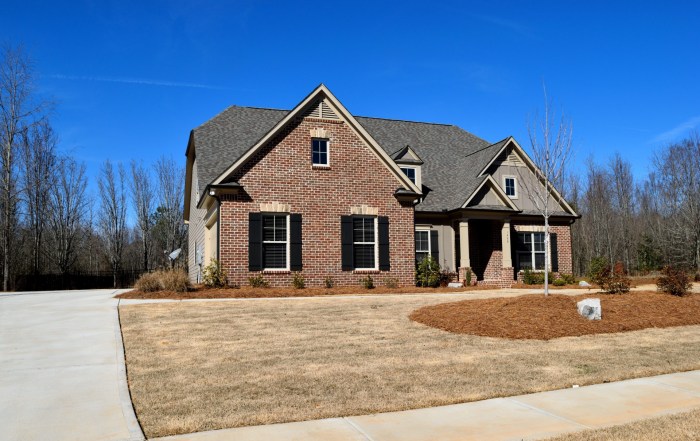
Embracing sustainable practices in home improvement not only benefits the environment but can also enhance property value and comfort for residents.
Eco-Friendly Materials and Practices
Using eco-friendly materials is a key aspect of sustainable renovations. Options include:
- Recycled Materials: Such as reclaimed wood or recycled glass tiles.
- Low-VOC Paints: Reduce harmful emissions indoors.
- Energy-Efficient Windows: Improve insulation and reduce energy consumption.
Energy-Efficient Upgrades
Incorporating energy-efficient upgrades can significantly lower utility bills. Recommendations include:
- Installing energy-efficient appliances.
- Upgrading insulation to improve temperature regulation.
- Using programmable thermostats to optimize heating and cooling.
Benefits of Sustainable Design Choices
Opting for sustainable design not only contributes to environmental health but also enhances property value. Benefits include:
- Increased marketability of the home due to modern, eco-friendly features.
- Improved indoor air quality leading to better health and comfort.
- Long-term savings on utility costs through energy-efficient design.
Case Studies and Success Stories
Real-life examples of successful home improvement projects can provide valuable insights and inspiration for homeowners.
Showcasing Successful Home Improvement Projects
Several case studies highlight effective renovations:
- Historical Home Restoration: A meticulous restoration that preserved the character and charm while updating the systems for modern living.
- Open Concept Transformation: A once cramped space transformed into a bright, airy living area that promotes family interaction.
- Sustainable Upgrade: A renovation that incorporated solar panels and native landscaping, reducing carbon footprint and maintenance costs.
Narratives About Common Renovation Pitfalls
Stories of renovation challenges and resolutions include:
- Budget Overruns: A homeowner learned the importance of contingency funds after unforeseen structural repairs led to increased costs.
- Scheduling Conflicts: A project delayed by weather ultimately benefited from improved communication among trades, ensuring quicker completion.
- Design Misalignment: A redesign mid-project was necessary to align with the homeowner’s vision, demonstrating the need for flexibility.
Homeowner Testimonials
Testimonials from homeowners can highlight the renovation experience:
- “The transformation exceeded my expectations, and the team was incredibly professional throughout the process.”
- “I encountered challenges, but the final result made it all worthwhile. I love my new kitchen!”
- “Working with a designer helped bring my vision to life, and I couldn’t be happier with the outcome.”