Overview of Home Improvement: A Home Improvement
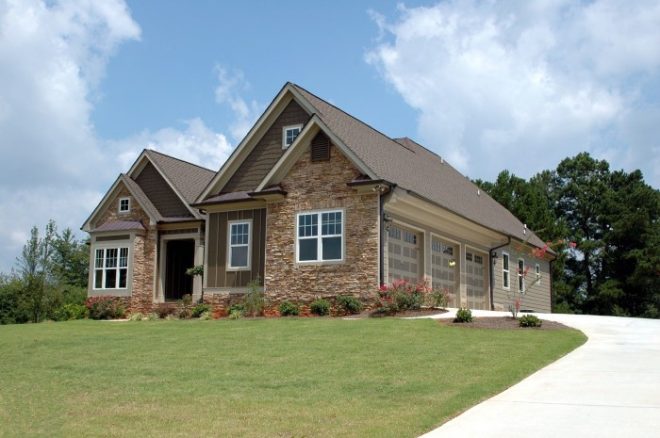
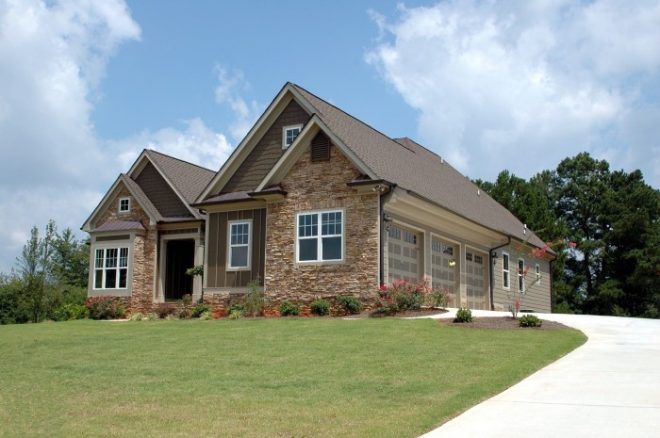
A home improvement – Home improvement refers to the process of renovating, remodeling, or enhancing a residential property. It encompasses a wide range of activities, from minor repairs to major renovations, aimed at improving the overall functionality and aesthetics of a home. The importance of home improvement cannot be overstated, as it directly contributes to the value enhancement of the property. A well-maintained and modernized home can significantly increase its market value and appeal to potential buyers.Several motivations drive homeowners to undertake improvement projects.
These may include the desire for increased comfort, updating outdated features, enhancing energy efficiency, or even preparing a home for sale. Each homeowner’s reasons may vary, but the ultimate goal is to create a living space that aligns with their needs and preferences.
Popular Home Improvement Projects
There are numerous home improvement projects that homeowners often consider. These projects not only enhance the aesthetics of a home but also improve its functionality and energy efficiency. Some popular projects include:
- Kitchen Remodel: This project is appealing due to the kitchen being the heart of the home. A modern kitchen can improve usability and increase the property’s value.
- Bathroom Renovation: Upgrading bathrooms can enhance comfort and make a home more appealing to prospective buyers.
- Deck or Patio Addition: Outdoor spaces are increasingly popular for entertainment and relaxation, making this a worthwhile investment.
For each of these projects, essential materials and tools are required. For instance, a kitchen remodel might need cabinets, countertops, and appliances, alongside tools like drills and saws. To illustrate, here is a step-by-step guide for a popular DIY project: painting a room.
1. Gather materials
paint, brushes, rollers, painter’s tape, and drop cloths.
2. Prepare the room
move furniture and cover the floor with drop cloths.
3. Tape off edges
use painter’s tape to protect trim and outlets.
4. Start painting
use a roller for large areas and a brush for edges.
5. Allow to dry
follow the paint’s drying time before applying a second coat.
6. Clean up
remove tape and clean brushes.
Budgeting for Home Improvement
When budgeting for home improvement, several key factors must be considered. These include the scope of the project, materials needed, labor costs, and any unexpected expenses that may arise during the renovation process. Creating a realistic budget helps ensure that the project remains financially manageable.A sample budget template for a kitchen remodel might look like this:
| Item | Estimated Cost |
|---|---|
| Cabinets | $5,000 |
| Countertops | $2,000 |
| Appliances | $3,000 |
| Labor | $2,500 |
| Total | $12,500 |
To save on costs, homeowners can consider performing certain tasks themselves, shopping for sales, and sourcing materials from discount retailers.
Home Improvement Design Ideas
Innovative design ideas can significantly transform common spaces like kitchens and bathrooms. In modern home improvement designs, open floor plans that combine living and dining areas have become increasingly popular. Additionally, incorporating natural light through larger windows or skylights creates a more inviting atmosphere.Color schemes play a crucial role in the aesthetics of home improvement. Neutral tones can provide a clean and spacious feel, while bold colors can add character and warmth.
Important features to consider in modern designs include energy-efficient appliances, smart home technology, and sustainable materials that reduce environmental impact.
Hiring Professionals vs. DIY, A home improvement
When it comes to home improvement, homeowners often face the decision of whether to hire professionals or undertake the projects themselves. Each option has its own pros and cons. Hiring professionals ensures high-quality workmanship but can be costly. Conversely, DIY projects can save money but may require more time and effort, and the results may vary.Certain situations necessitate hiring a professional, such as complex electrical work, plumbing, or structural changes.
It’s essential to find and vet contractors by checking their credentials, reading reviews, and seeking recommendations from trusted sources.
Sustainability in Home Improvement
Sustainable practices in home improvement projects are gaining popularity as homeowners become more environmentally conscious. Energy-efficient upgrades, such as installing LED lighting, high-efficiency HVAC systems, and solar panels, can significantly reduce utility costs while minimizing the home’s carbon footprint.Using sustainable materials is also vital in modern improvements. Options include bamboo flooring, recycled glass tiles, and reclaimed wood, which not only enhance aesthetic appeal but also promote environmental sustainability.
Safety Considerations
Safety is paramount during home improvement projects. Essential precautions include wearing protective gear, ensuring proper ventilation when using chemicals, and using tools according to manufacturer guidelines. In the case of common home improvement injuries, basic first aid tips can be valuable. For example, applying pressure to bleeding wounds, using ice packs for sprains, and keeping a stocked first aid kit nearby are crucial.Permits and inspections may be required for certain projects, especially those involving structural changes or electrical and plumbing work.
Adhering to local regulations ensures that the project meets safety standards and can prevent potential issues down the line.
Trends in Home Improvement
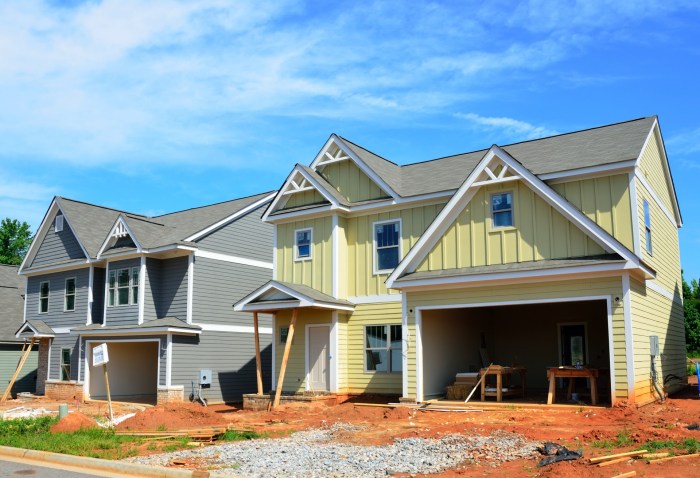
Current trends in home improvement focus on creating functional, stylish spaces while incorporating technology. Smart home devices that enhance security, energy efficiency, and convenience are increasingly integrated into modern designs. The evolution of technology is not limited to devices; it also influences building materials and techniques. Traditional remodeling methods are being complemented by innovations such as prefabricated components and 3D printing, allowing for quicker and more efficient renovations.
Maintenance After Home Improvement
Ongoing maintenance is vital after completing a home improvement project. Regularly checking for wear and tear, cleaning surfaces, and addressing minor repairs can extend the lifespan of newly improved areas. A maintenance schedule should include tasks like inspecting appliances monthly, cleaning gutters bi-annually, and checking for leaks or drafts. Additionally, homeowners should be aware of common post-improvement issues, such as paint peeling or flooring warping, and address these promptly to prevent more significant problems.